NAD+ in blood, muscle and the ageing claim
A larger cellular supply sounds like an obvious advantage. The human experiments direct attention to tissues and tasks: where does the supply go, and which tasks improve?
Inside an NAD+ pool
An electrical outlet has one useful trick: make power available. NAD+ has a more complicated life. It helps shuttle electrons as cells turn food into usable energy, and it is also consumed by enzymes doing other work. Sirtuins, PARPs and CD38 draw on the NAD+ pool in processes connected with gene regulation, DNA repair and inflammation.
This gives the idea of replenishment a real biological basis. It also makes a single blood reading a surprisingly blunt instrument. A muscle, a liver and a brain have their own demands; the human evidence about NAD+ inside particular tissues remains sparse.
NAD+ is a coenzyme, a helper molecule for enzymes, rather than a peptide. It appears here because the energy claim sits so close to the hopes attached to peptides. The question animating my interest is more specific: can a change in supply improve the work being done?
Insulin sensitivity in muscle
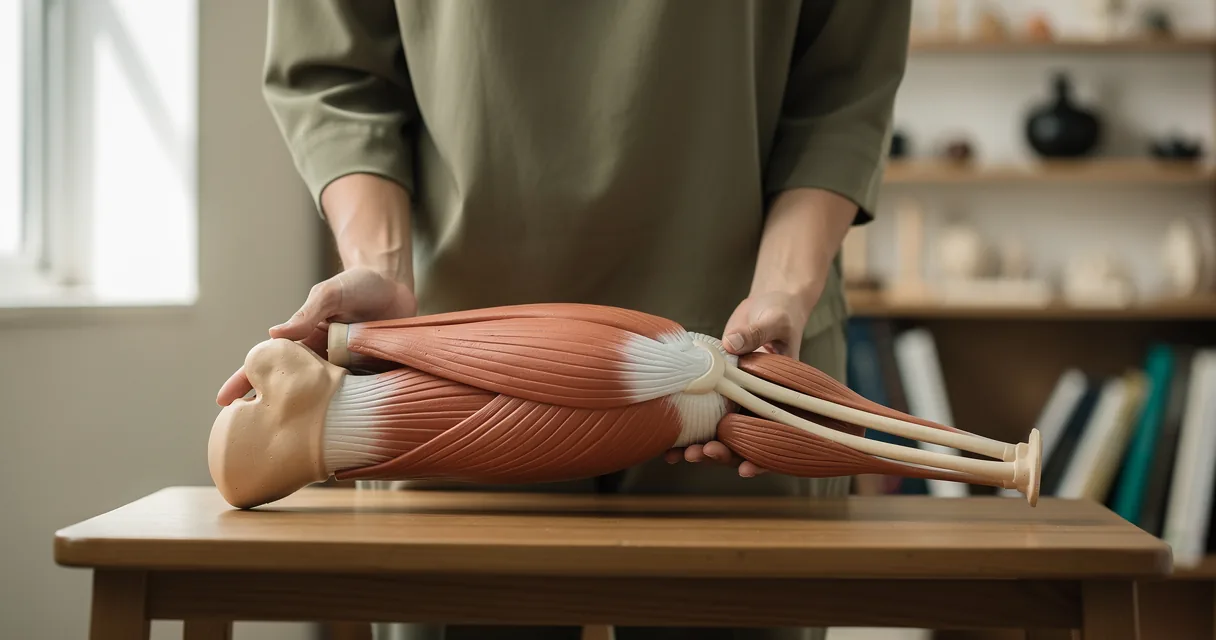
The 2021 NMN study in postmenopausal women with prediabetes is unusually specific about that work. NMN means nicotinamide mononucleotide, a substance cells can use to build NAD+. After 10 weeks, the muscle insulin-sensitivity test improved. In that test, insulin helped muscle take up blood sugar more readily.
There was no change in body composition or HbA1c. The study also left open whether the women felt better. I respect this muscle finding for its visible boundaries: a particular metabolic task changed in a particular group of women. Expanding that into an all-purpose claim about energy would lose the interesting part.
Blood NAD+ and walking tests
NR, or nicotinamide riboside, is another precursor cells can use to make NAD+. In an 8-week trial in healthy overweight adults, whole-blood NAD+ rose by 22%, 51% and 142% across increasing tested amounts. Adverse events showed no significant difference from placebo during that period.
A 60-day NMN trial in healthy middle-aged adults also raised blood NAD+. Participants taking NMN covered more ground on walking tests and reported higher quality of life than those receiving placebo. Those functional findings deserve attention alongside the blood results.
I doubt that NAD+ replenishment has earned a sweeping ageing claim. The 2025 review of human precursor supplementation describes limited efficacy overall and notes that consistent age-related NAD+ decline has been observed in only a limited number of human studies. The premise is more uneven in people than a simple story of an ageing battery suggests.
Supplements and infusions
The controlled trials above tested swallowed precursors. NMN, NR, swallowed NAD+ and NAD+ given into a vein involve different substances or routes. Evidence for one preparation cannot establish the effects of the others.
Short studies provide some reassurance about the participants and products tested. They leave rare harms, pregnancy, interactions with other medicines and much longer use unsettled. Injected preparations add sterility and contamination concerns. The human evidence review leaves plenty unresolved about benefit, even for a familiar cellular ingredient.
Accounts of energy, focus or recovery are anecdotal accounts, not clinical evidence. They cannot say which organ changed or confirm the material involved. NAD+'s ordinary place in cell biology is fascinating enough without making those accounts carry a longevity claim.
Retatrutide approaches metabolism by changing hormone signals. Comparing the two is useful when the question stays attached to the actual outcome.